
IL-2 (Interleukin-2) is a critical cytokine in T cell biology. It promotes T cell activation and expansion, the development, maintenance and function of regulatory T cells (Treg), and the differentiation of CD8+ T cells into terminal effector cells and memory cells. IL-2 signals through a receptor complex composed of CD25/IL-2 R alpha, IL-2 R beta, and the Common gamma Chain (gamma c). IL-2 R beta is also a component of the IL-15 receptor complex. Gamma c is also a signaling subunit in the receptors for IL-4, -7, -9, -15, and -21.
QuantiGlo Immunoassay Control Set 732 for Human IL-2
R&D Systems | Catalog # QC191
For use with catalog number Q2000B


Loading...
Key Product Details
Species
Human
Applications
Control, ELISA
Product Summary for QuantiGlo Immunoassay Control Set 732 for Human IL-2
INTENDED USE & DESCRIPTION
For use as quantitative controls for the determination of cytokine concentrations in biological fluids. Concentrations have been assigned using R&D Systems’ QuantiGlo® kits. Controls are prepared in diluted porcine serum with preservatives. They contain recombinant human cytokines at low, medium and high concentrations. Controls are supplied lyophilized.
STORAGE & STABILITY
Unreconstituted Controls should be stored at 2-8 °C and are stable for at least 6 months from date of receipt. Depending on the analyte of interest, reconstituted controls may be stable when stored at < -20 °C. Users should evaluate the frozen stability of the controls in their application or discard after use.
REAGENT PREPARATION
Reconstitute each vial with the volume of deionized or distilled water indicated on the product datasheet.
PROCEDURE & EXPECTED VALUES
Controls should be assayed in the same manner as unknown specimens.
The acceptable ranges for the analytes in these controls are printed on the product datasheet. Due to possible variations in techniques and methodologies, it is recommended that each laboratory determine its own target range. Laboratories using other test systems should establish their own acceptable ranges as these assays may produce different values.
TECHNICAL HINTS & LIMITATIONS OF THE PROCEDURE
• The ranges were determined using R&D Systems’ QuantiGlo kits. If expected values are not obtained, verify that the lot numbers on the vials correspond with the lot numbers listed above and the correct volume of deionized or distilled water was used for reconstitution of the controls.
• The results obtained with these controls depend upon several factors associated with methods and instrumentation. Test systems other than those supplied by R&D Systems may result in values that differ from those printed on this product datasheet.
Loading...
Formulation, Preparation, and Storage
Shipping
The product is shipped with polar packs. Upon receipt, store it immediately at the temperature recommended below.
Storage
Store the unopened product at 2 - 8 °C. Do not use past expiration date.
Background: IL-2
Long Name
Interleukin 2
Alternate Names
Aldesleukin, IL2, Proleukin, TCGF
Entrez Gene IDs
Gene Symbol
IL2
Additional IL-2 Products
Product Documents for QuantiGlo Immunoassay Control Set 732 for Human IL-2
Product Specific Notices for QuantiGlo Immunoassay Control Set 732 for Human IL-2
For research use only
Related Research Areas
Customer Reviews for QuantiGlo Immunoassay Control Set 732 for Human IL-2
There are currently no reviews for this product. Be the first to review QuantiGlo Immunoassay Control Set 732 for Human IL-2 and earn rewards!
Have you used QuantiGlo Immunoassay Control Set 732 for Human IL-2?
Submit a review and receive an Amazon gift card!
$25/€18/£15/$25CAN/¥2500 Yen for a review with an image
$10/€7/£6/$10CAN/¥1110 Yen for a review without an image
Submit a review
Protocols
Find general support by application which include: protocols, troubleshooting, illustrated assays, videos and webinars.
- ELISA Sample Preparation & Collection Guide
- ELISA Troubleshooting Guide
- How to Run an R&D Systems DuoSet ELISA
- How to Run an R&D Systems Quantikine ELISA
- How to Run an R&D Systems Quantikine™ QuicKit™ ELISA
- Quantikine HS ELISA Kit Assay Principle, Alkaline Phosphatase
- Quantikine HS ELISA Kit Principle, Streptavidin-HRP Polymer
- Sandwich ELISA (Colorimetric) – Biotin/Streptavidin Detection Protocol
- Sandwich ELISA (Colorimetric) – Direct Detection Protocol
- Troubleshooting Guide: ELISA
- View all Protocols, Troubleshooting, Illustrated assays and Webinars
Loading...
Associated Pathways
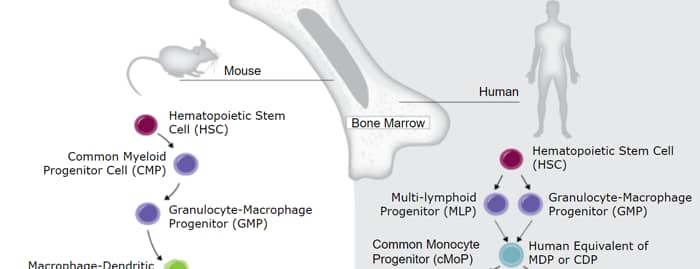 Hematopoietic Stem Cell Differentiation Pathways & Lineage-specific Markers
 IL-2 Signaling Pathways
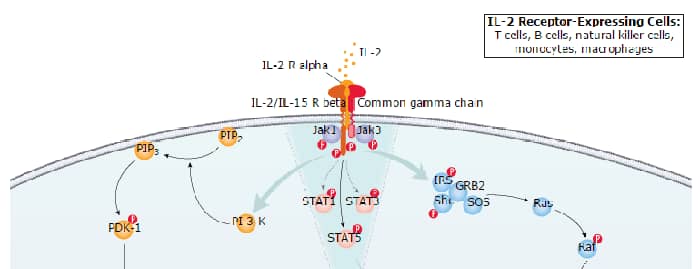 IL-2 Signaling Pathways and their Primary Biological Effects in Different Immune Cell Types
 IL-15 Signaling Pathways and their Primary Biological Effects in Different Immune Cell Types

Innate Lymphoid Cell Differentiation Pathways
 Jak/STAT Signaling Pathway
 Th1 Differentiation Pathway
 Th2 Differentiation Pathway

Jak/STAT Signaling Pathway
Th1 Differentiation Pathway
Th2 Differentiation Pathway