Bromodeoxyuridine/BrdU Antibody Summary
Applications
Please Note: Optimal dilutions should be determined by each laboratory for each application. General Protocols are available in the Technical Information section on our website.
Scientific Data
 View Larger
Bromodeoxyuridine/BrdU in MCF‑7 Human Cell Line. Bromodeoxyuridine/BrdU was detected in immersion fixed MCF-7 human breast cancer cell line stimulated with BrdU using Mouse Anti-Bromodeoxyuridine/ BrdU Antigen Affinity-purified Monoclonal Antibody (Catalog # MAB7225) at 10 µg/mL for 3 hours at room temperature. Cells were stained using the NorthernLights™ 557-conjugated Anti-Mouse IgG Secondary Antibody (red; Catalog # NL007) and counterstained with DAPI (blue). Specific staining was localized to nuclei. View our protocol for Fluorescent ICC Staining of Cells on Coverslips.
 View Larger
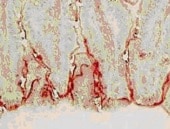
Bromodeoxyuridine/BrdU in Human Breast Cancer Tissue. Bromodeoxyuridine/BrdU was detected in immersion fixed paraffin-embedded sections of human breast cancer tissue using Mouse Anti-Bromodeoxyuridine/BrdU Monoclonal Antibody (Catalog # MAB7225) at 1 µg/mL for 1 hour at room temperature followed by incubation with the Anti-Mouse IgG VisUCyte™ HRP Polymer Antibody (VC001). Before incubation with the primary antibody, tissue was subjected to heat-induced epitope retrieval using Antigen Retrieval Reagent-Basic (CTS013). Tissue was stained using DAB (brown) and counterstained with hematoxylin (blue). Specific staining was localized to cell nuclei. Staining was performed using our protocol for IHC Staining with VisUCyte HRP Polymer Detection Reagents.
 View Larger
Bromodeoxyuridine/BrdU in Human Testis. Bromodeoxyuridine/BrdU was detected in immersion fixed paraffin-embedded sections of human testis using Mouse Anti-Bromodeoxyuridine/BrdU Monoclonal Antibody (Catalog # MAB7225) at 1 µg/mL for 1 hour at room temperature followed by incubation with the Anti-Mouse IgG VisUCyte™ HRP Polymer Antibody (VC001). Before incubation with the primary antibody, tissue was subjected to heat-induced epitope retrieval using Antigen Retrieval Reagent-Basic (CTS013). Tissue was stained using DAB (brown) and counterstained with hematoxylin (blue). Specific staining was localized to cell nuclei. Staining was performed using our protocol for IHC Staining with VisUCyte HRP Polymer Detection Reagents.
 View Larger
Detection of Bromodeoxyuridine/BrdU in Human PBMCs by Flow Cytometry Human peripheral blood mononuclear cells (PBMCs) were treated overnight with 50 ng/mL PMA, 500 ng/mL Ionomycin, and 30 µg/mL BrdU, then stained with Mouse Anti-Bromodeoxyuridine/BrdU Monoclonal Antibody (Catalog # MAB7225, filled histogram) or isotype control antibody (Catalog # MAB003, open histo-gram), followed by Allophycocyanin-conjugated Anti-Mouse IgG Secondary Antibody (Catalog # F0101B). To facilitate intracellular staining, cells were fixed with cold, 70% ethanol for 5 minutes, DNA was denatured with 1.5M HCl for 30 minutes, and then cells were permeabilized with Flow Cytometry Permeabilization/Wash Buffer I (Catalog # FC005).
 View Larger
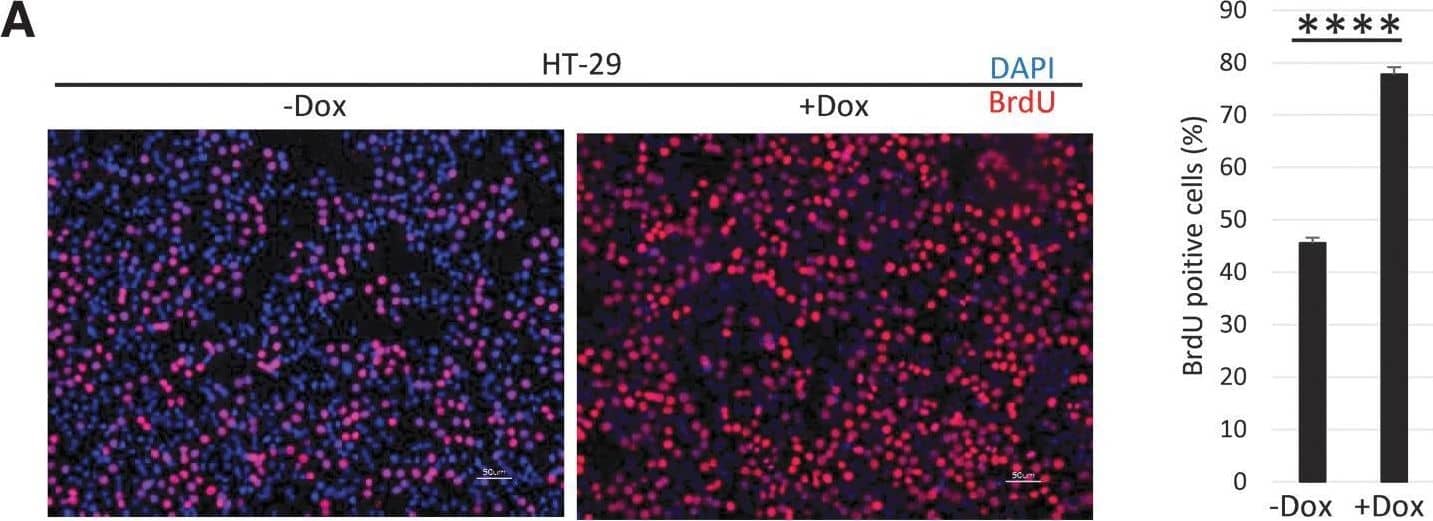
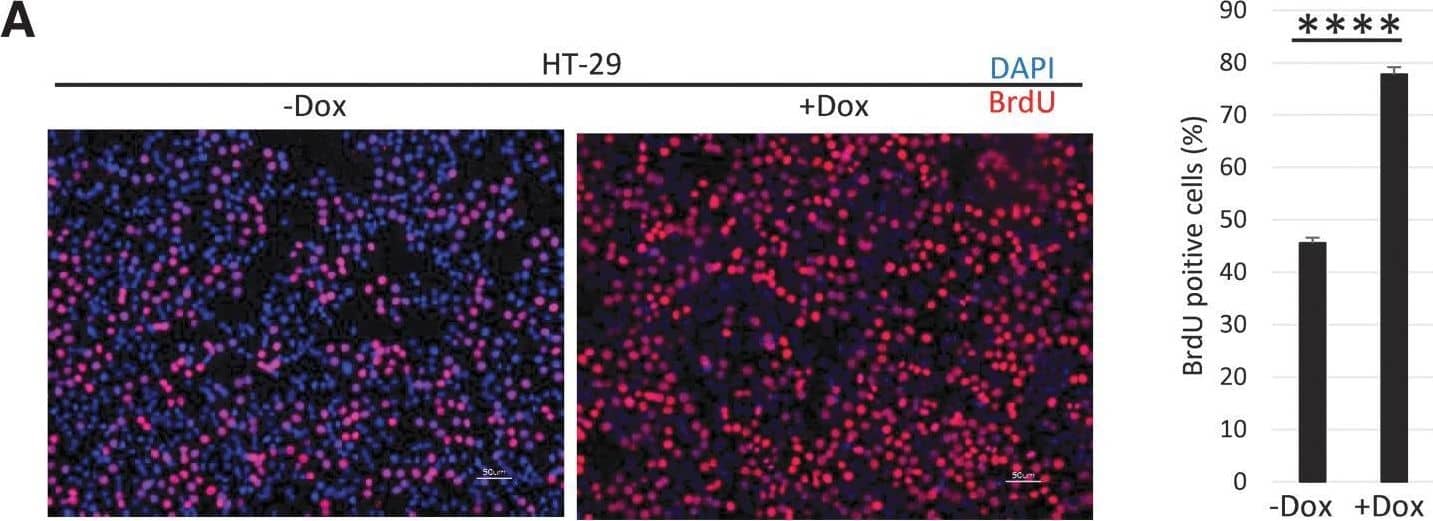
Detection of Bromodeoxyuridine/BrdU by Immunohistochemistry SIGIRR delta E8 interacts with a mitochondrial protein ATP5A1. (A) Engineered HT-29 cells inducibly expressing SIGIRR delta E8 were incubated with 10 μM of BrdU for 6 h followed by fixation with PFA and immunofluoresence staining with anti-BrdU antibody. (B) HA pull-down experiment was performed from cells expressing a HA-tagged SIGIRR. These proteins were fractionated on an SDS-Page gel, the fractionated proteins were digested with trypsin, and the digests were analyzed by LC-MS/MS analysis. The protein, ATP5A1, was identified in the SIGIRR pull-down experiments by a total of 6 peptides (top). One of these peptides corresponds to the (134)TGAIVDVPVGEELLGR(149) peptide, which was identified as a doubly charged peptide with a mass of 812.950 Da. The CID spectra for this peptide are given above and are dominated by singly charged C-terminal y ions and N-terminal b ions (bottom). (C) HeLa cells were cotransfected with myc-tagged ATP5A1 and M2 flag-tagged SIGIRRFL and SIGIRR delta E8. Transfected cells were lysed, and the lysates were immunoprecipitated with anti-FLAG antibody followed by Western blot analysis. (D) SIGIRR protein was immunoprecipitated from indicated cell lines. Coimmunoprecipitated proteins were resolved on SDS-PAGE followed by Western blot for ATP5A1 and SIGIRR. The experiments (except MS) were repeated thrice and yielded consistent results; the representative results are shown. Data are shown as mean ± SEM. ****P < 0.0001 by 2-tailed t-test. Scale bar, 50 μm. CID, collision-induced dissociation; LC-MS/MS, liquid chromatography–mass spectrometry/mass spectrometry; PFA, paraformaldehyde; SDS-PAGE, sodium dodecyl sulfate–polyacrylamide gel electrophoresis. Image collected and cropped by CiteAb from the following open publication (https://pubmed.ncbi.nlm.nih.gov/35900274), licensed under a CC-BY license. Not internally tested by R&D Systems.
 View Larger
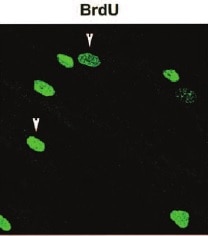
Detection of Bromodeoxyuridine/BrdU by Immunohistochemistry SIGIRR delta E8 interacts with a mitochondrial protein ATP5A1. (A) Engineered HT-29 cells inducibly expressing SIGIRR delta E8 were incubated with 10 μM of BrdU for 6 h followed by fixation with PFA and immunofluoresence staining with anti-BrdU antibody. (B) HA pull-down experiment was performed from cells expressing a HA-tagged SIGIRR. These proteins were fractionated on an SDS-Page gel, the fractionated proteins were digested with trypsin, and the digests were analyzed by LC-MS/MS analysis. The protein, ATP5A1, was identified in the SIGIRR pull-down experiments by a total of 6 peptides (top). One of these peptides corresponds to the (134)TGAIVDVPVGEELLGR(149) peptide, which was identified as a doubly charged peptide with a mass of 812.950 Da. The CID spectra for this peptide are given above and are dominated by singly charged C-terminal y ions and N-terminal b ions (bottom). (C) HeLa cells were cotransfected with myc-tagged ATP5A1 and M2 flag-tagged SIGIRRFL and SIGIRR delta E8. Transfected cells were lysed, and the lysates were immunoprecipitated with anti-FLAG antibody followed by Western blot analysis. (D) SIGIRR protein was immunoprecipitated from indicated cell lines. Coimmunoprecipitated proteins were resolved on SDS-PAGE followed by Western blot for ATP5A1 and SIGIRR. The experiments (except MS) were repeated thrice and yielded consistent results; the representative results are shown. Data are shown as mean ± SEM. ****P < 0.0001 by 2-tailed t-test. Scale bar, 50 μm. CID, collision-induced dissociation; LC-MS/MS, liquid chromatography–mass spectrometry/mass spectrometry; PFA, paraformaldehyde; SDS-PAGE, sodium dodecyl sulfate–polyacrylamide gel electrophoresis. Image collected and cropped by CiteAb from the following open publication (https://pubmed.ncbi.nlm.nih.gov/35900274), licensed under a CC-BY license. Not internally tested by R&D Systems.
 View Larger
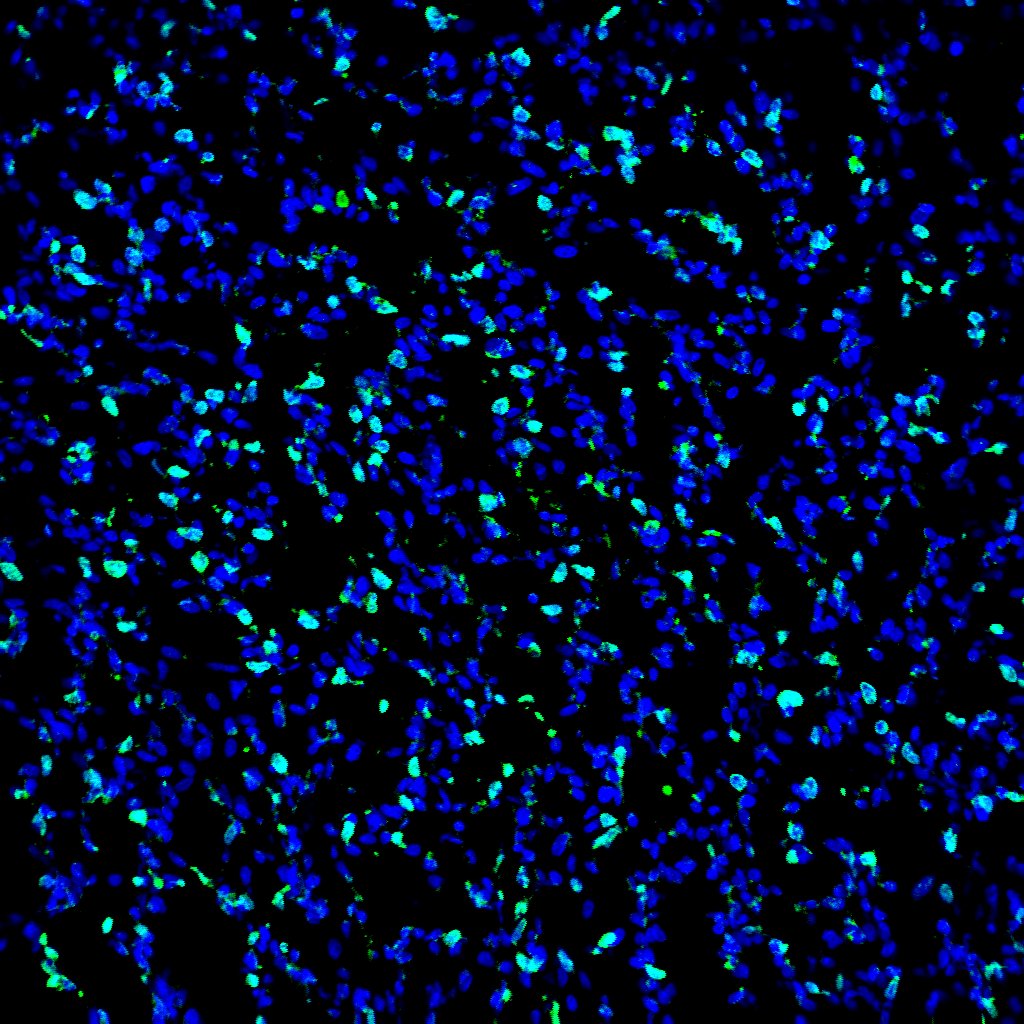
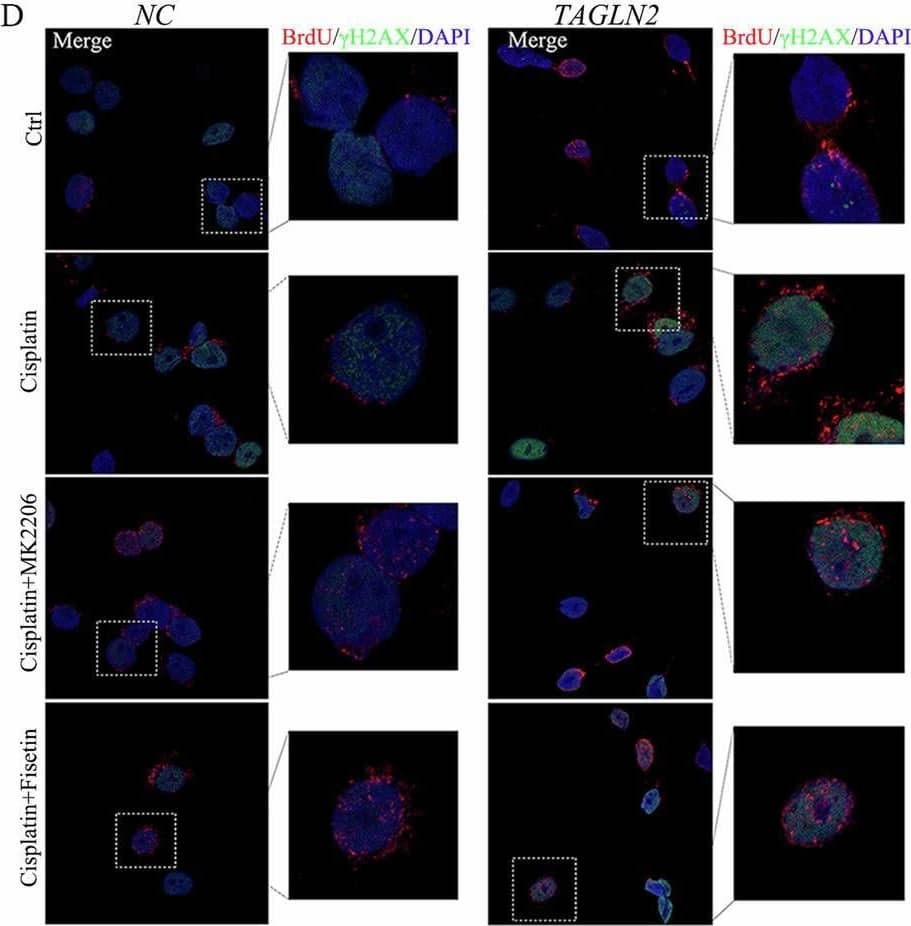
Detection of Bromodeoxyuridine/BrdU by Immunocytochemistry/ Immunofluorescence Disruption of the TAGLN2-YBX1-AKT interaction reduces cytosolic ssDNA accumulation, ISGs expression, and drug resistance.A~C Multiplex immunofluorescence of TMA was performed using the Opal 7-color Manual IHC Kit and VECTASHIELD® HardSet Antifade Mounting Medium. The multiplex antibody panel was optimized as follows: TAGLN2, Opal 520 (yellow); CK, Opal 570 (green); YBX1, Opal 620 (red). The TMA was counterstained with DAPI (blue) and incubated with an antifluorescence quencher. Expression and spatial distribution of TAGLN2 or YBX1 in tissues and the correlation with patient clinical data. The DAPI channel was used to identify individual cells. A tissue segmentation algorithm combined with CK staining was applied to define tumoral and stromal areas. The scale bar is 200 μm. D Fisetin or MK2206 inhibited the accumulation of cytosolic ssDNA induced by overexpression of TAGLN2 by BrdU-gamma H2AX double labeling. HGC-27 cells stably transfected with TAGLN2 were prelabeled with BrdU and subsequently treated with 1 μg/ml Cisplatin with or without 10 μM Fisetin or 200 nM MK2206 in the medium. Cells were stained for DNA (DAPI, blue), the primary BrdU antibody (red) and phospho-histone H2AX (green). E Relative mRNA levels of the panel of IFN-related genes with or without 10 μM Fisetin or 200 nM MK2206 in the medium after 6 Gy X-ray treatment were evaluated by quantitative RT‒PCR analysis. The cytotoxicity induced by MK2206 from 16.25 nM to 13 μM (F) or MK2206 (200 nM) and Cisplatin (0.4 μg/ml) combination on tumor cells was detected (G). *P < 0.05, **P < 0.01, ***P < 0.001. Image collected and cropped by CiteAb from the following open publication (https://pubmed.ncbi.nlm.nih.gov/39168971), licensed under a CC-BY license. Not internally tested by R&D Systems.
Reconstitution Calculator
Preparation and Storage
- 12 months from date of receipt, -20 to -70 °C as supplied.
- 1 month, 2 to 8 °C under sterile conditions after reconstitution.
- 6 months, -20 to -70 °C under sterile conditions after reconstitution.
Background: Bromodeoxyuridine/BrdU
Bromodeoxyuridine (BrdU) is a nucleoside analog that is incorporated into DNA in place of thymidine. The detection of newly synthesized DNA containing BrdU is a commonly used measure of cell proliferation and progression through S phase of the cell cycle.
Product Datasheets
Citations for Bromodeoxyuridine/BrdU Antibody
R&D Systems personnel manually curate a database that contains references using R&D Systems products. The data collected includes not only links to publications in PubMed, but also provides information about sample types, species, and experimental conditions.
7
Citations: Showing 1 - 7
Filter your results:
Filter by:
-
A Dual Role for Death Receptor 5 in Regulating Cardiac Fibroblast Function
Authors: Miles A. Tanner, Laurel A. Grisanti
Frontiers in Cardiovascular Medicine
-
Dihydroartemisinin regulates immune cell heterogeneity by triggering a cascade reaction of CDK and MAPK phosphorylation
Authors: Qilong Li, Quan Yuan, Ning Jiang, Yiwei Zhang, Ziwei Su, Lei Lv et al.
Signal Transduction and Targeted Therapy
-
TAGLN2 induces resistance signature ISGs by activating AKT-YBX1 signal with dual pathways and mediates the IFN-related DNA damage resistance in gastric cancer
Authors: Zhuo, H;Hou, J;Hong, Z;Yu, S;Peng, H;Zhang, L;Xie, W;Hong, X;
Cell death & disease
Species: Human
Sample Types: Whole Cells
Applications: Immunocytochemistry -
Developmental modeling of hepatogenesis using obese iPSCs-hepatocyte differentiation uncovers pathological features
Authors: DS Varghese, TT Alawathugo, MA Sheikh, AK Challagand, BS Emerald, SA Ansari
Cell Death & Disease, 2022-08-01;13(8):670.
Species: Human
Sample Types: Whole Cells
Applications: IF -
Dihydroartemisinin regulates immune cell heterogeneity by triggering a cascade reaction of CDK and MAPK phosphorylation
Authors: Qilong Li, Quan Yuan, Ning Jiang, Yiwei Zhang, Ziwei Su, Lei Lv et al.
Signal Transduction and Targeted Therapy
Species: Mouse
Sample Types: In Vivo
Applications: In vivo assay -
Deciphering the Molecular Mechanism of Spontaneous Senescence in Primary Epithelial Ovarian Cancer Cells
Authors: M Paku?a, E Ma?y, P Uruski, A Witucka, M Bogucka, N Jaroszewsk, N Makowska, A Niklas, R Moszy?ski, S Sajdak, A Tykarski, J Miku?a-Pie, K Ksi??ek
Cancers (Basel), 2020-01-27;12(2):.
Species: Human
Sample Types: Whole Cells
Applications: Neutralization -
PDGFRbeta expression and function in fibroblasts derived from pluripotent cells is linked to DNA demethylation.
J. Cell. Sci., 2012-02-17;125(0):2276-87.
Species: Human
Sample Types: Whole Cells
Applications: ICC
FAQs
No product specific FAQs exist for this product, however you may
View all Antibody FAQsReviews for Bromodeoxyuridine/BrdU Antibody
Average Rating: 5 (Based on 3 Reviews)
Have you used Bromodeoxyuridine/BrdU Antibody?
Submit a review and receive an Amazon gift card.
$25/€18/£15/$25CAN/¥75 Yuan/¥2500 Yen for a review with an image
$10/€7/£6/$10 CAD/¥70 Yuan/¥1110 Yen for a review without an image
Filter by: